The valve that switches concrete between the two pumping cylinders takes more wear than any other part of a concrete pump. On a Schwing pump, a worn ROCK Valve does not have to be thrown away. Its working surfaces are hardfaced, and the same valve goes back to work.
What hardfacing is
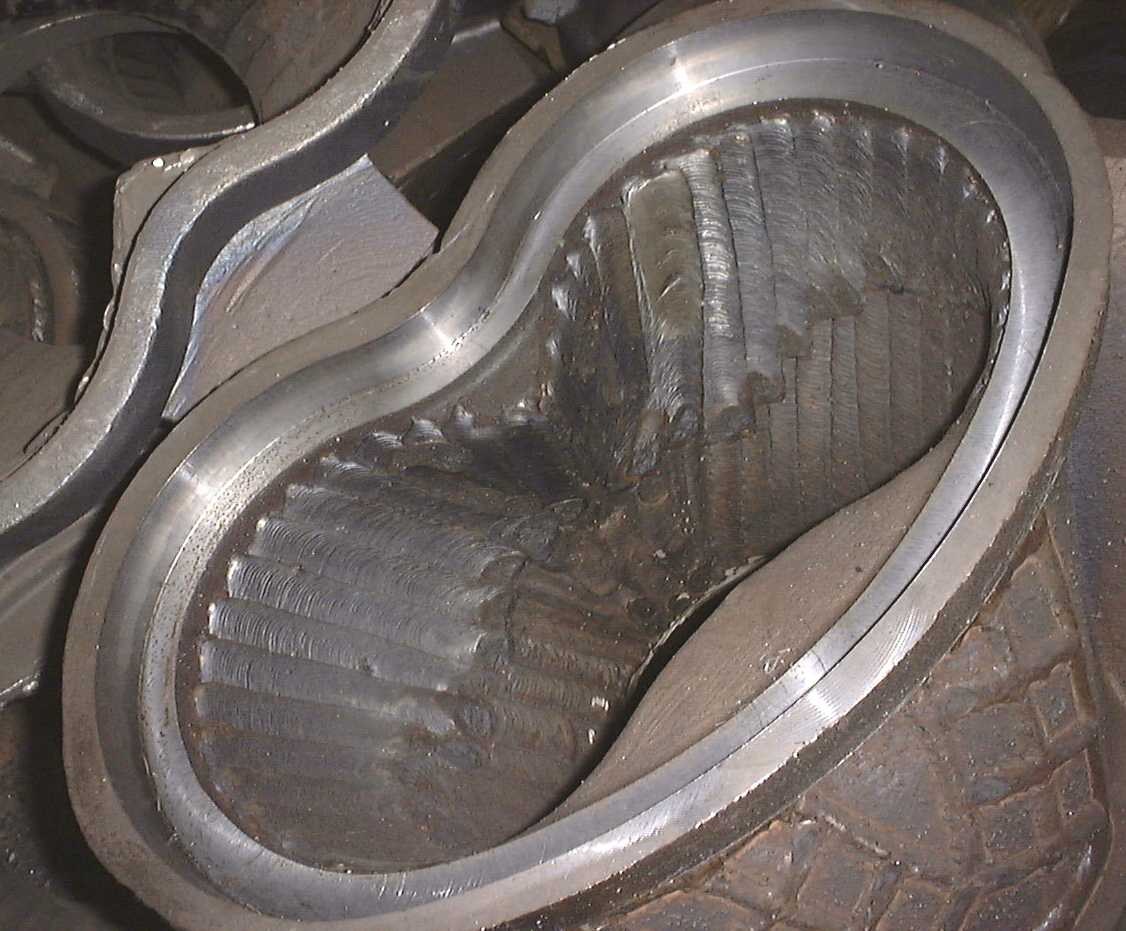
Hardfacing is welding a layer of wear-resistant metal onto the surface of a part. The body of the part stays tough, and the hard layer takes the abrasion. When that layer wears down, a new one is welded on, and the part carries on.
Why it matters on the ROCK Valve
Concrete is abrasive, and the valve swings through it on every stroke. Schwing Stetter's own description is that the ROCK Valve can be refurbished and used again as many times as required. Its literature puts it more simply: hardface the valve and it is as good as new.
The shape of the valve helps. It is open from end to end, so the welder can reach every corner of the inside with the electrode. The valve is hardfaced when new, it can be hardfaced again later, and carbide tipping is also possible.
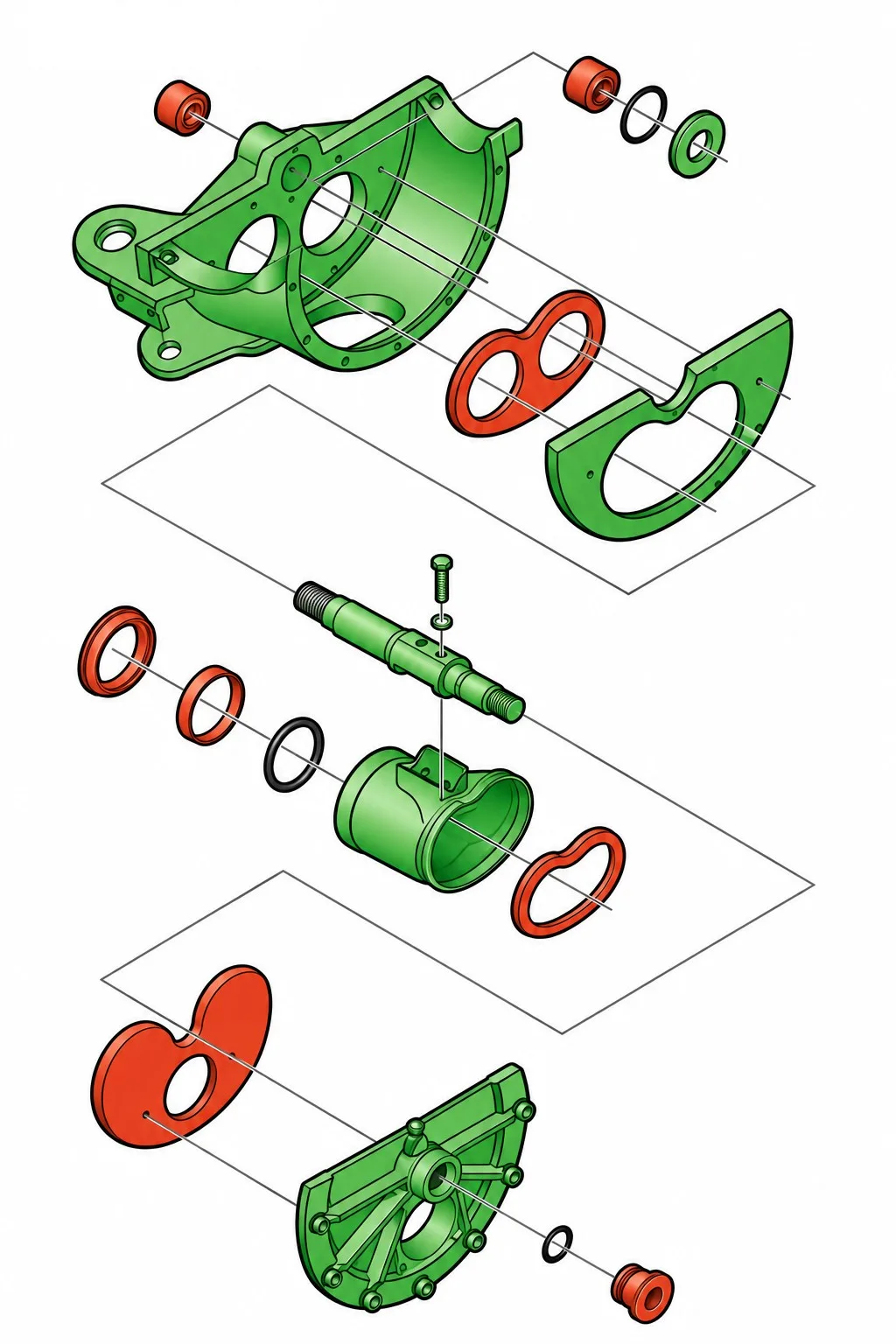




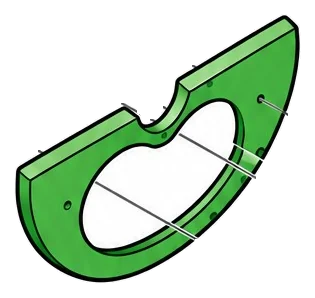

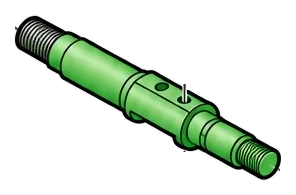

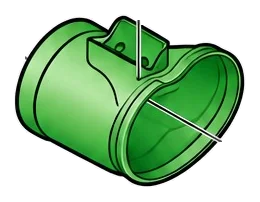
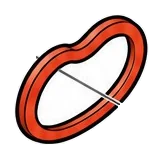
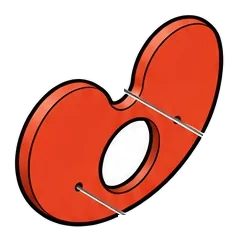
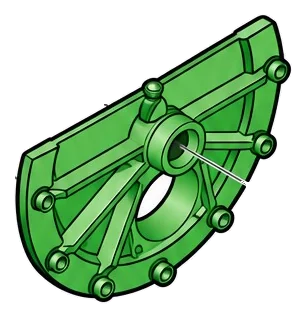

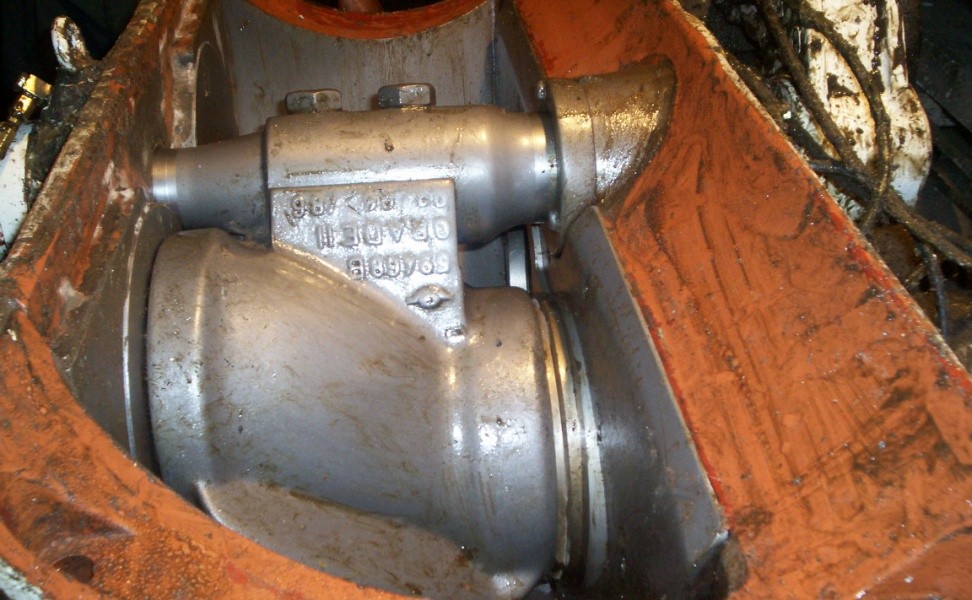
The valve body. It swings between the two pumping cylinders on every stroke, and it is the part that is hardfaced.
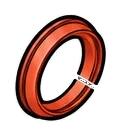
The ring the valve seals against. It is turned at intervals so that it wears evenly.
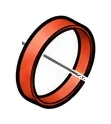
Sits behind the cutting ring. It is checked together with the cutting ring and the kidney seal when the gap at the ring grows.
The wear plate that the cutting ring runs against.
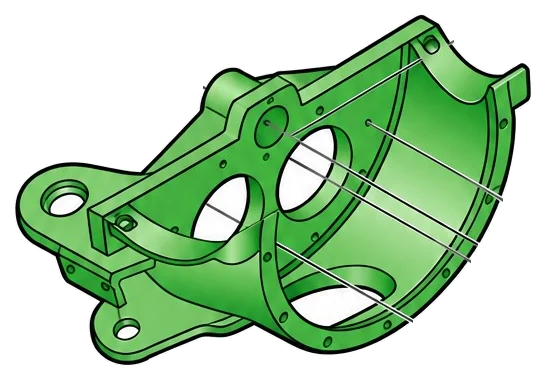
The lining of the valve housing, on the outlet side.
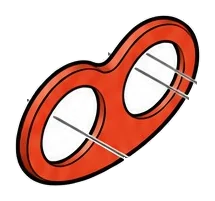
The seal named for its shape. It is checked together with the cutting ring and the pressure spring.
The hydraulic cylinder that swings the valve from one side to the other.
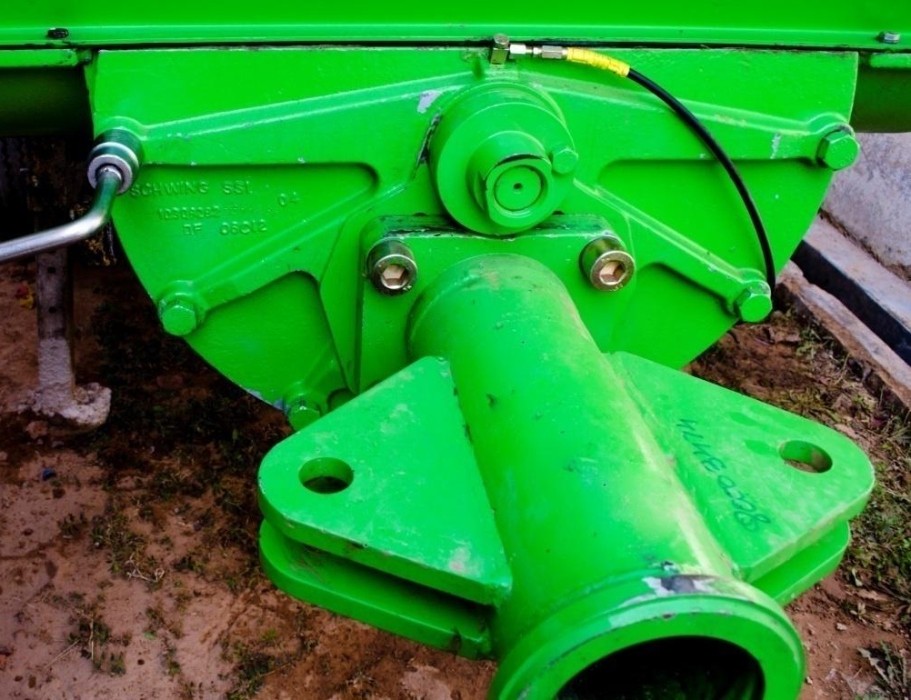
When a valve is due
- Inspect every 5,000 m³. Look at the hardfaced layer on both the outer and the inner surfaces of the valve.
- Rebuild when the hard layer is going. The guidance is plain: if the hardfaced surface can no longer be seen, the valve is hardfaced without delay.
- Expect it at about 8,000 m³. That is the average Schwing Stetter India gives for the interval between rebuilds.
The checks that go with it
The valve seals against a cutting ring, and the two are looked after together.
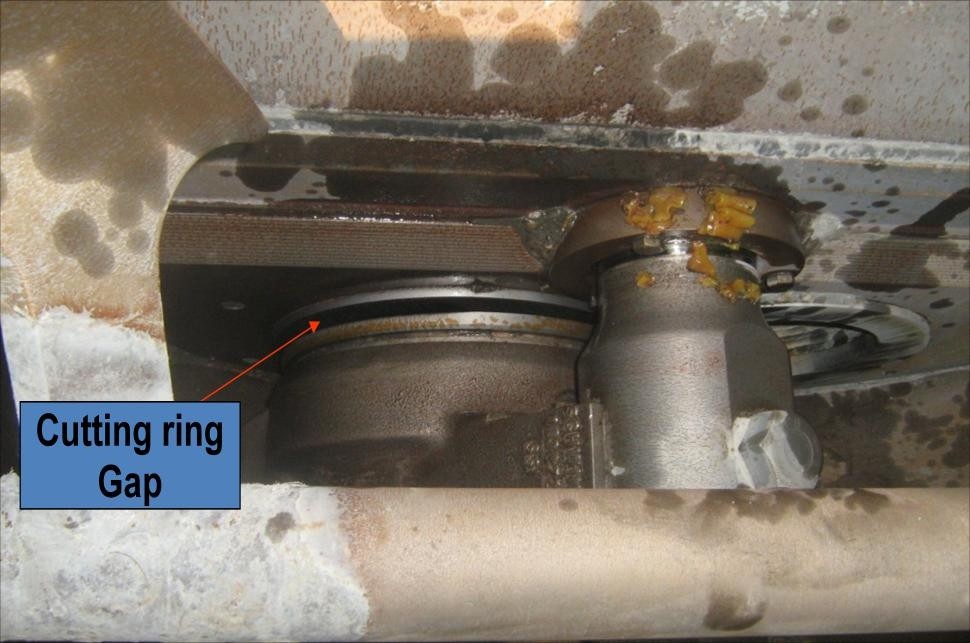
- Turn the cutting ring 90 degrees every 1,500 m³, or sooner if a gap of more than 1 to 1.5 mm opens between the ring and the wearing insert. A business card should not slide into the gap.
- Check the distance between the cutting ring and the valve after each turn. Schwing Stetter India's limit is 7 to 8 mm. Beyond that the spring can no longer press the ring home, and the ring is replaced.
- Check the kidney seal. The gap between it and the housing lining plate should not go beyond 8 mm.
The full routine is in our concrete pump maintenance schedule.
What it means for the owner
- You rebuild a part instead of buying one. The valve body is kept and only its working surface is renewed.
- The stop can be planned. An inspection every 5,000 m³ tells you a rebuild is coming, so it can be booked between jobs.
- The valve and ring keep sealing. Looked after together, they keep the pump delivering what it was bought for.
Related
- The Schwing ROCK Valve explained
- Schwing stationary pumps
- A concrete pump maintenance schedule
- Concrete pump rental: how one pump earns
Is your ROCK Valve due for inspection?
Tell us the pump model and how much it has pumped since the valve was last checked.