A batching plant moves a loaded skip, turns a mixer and opens gates on its own, on a signal from one operator who cannot see every corner of it. The safety devices exist for the moment someone is in the wrong place. This is what they are, where they are, and the working rules that go with them.
The devices on the plant
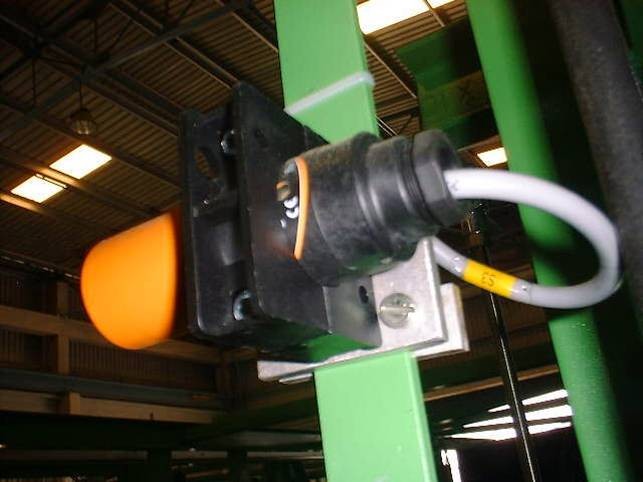
Stops the whole operation of the plant. This one is on the operator’s desk.
Stops the whole operation of the plant. This one is beside the skip channel.
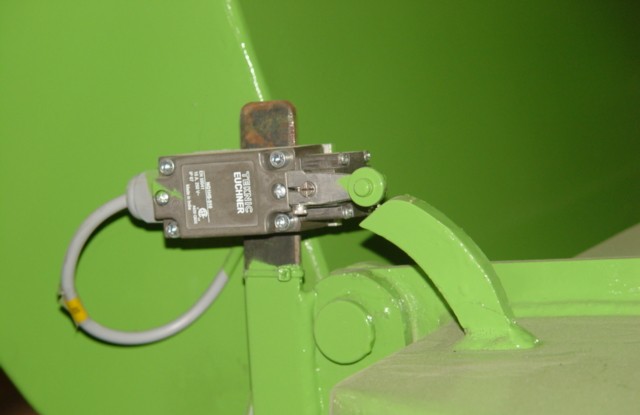
Fitted at the top of the skip travel. When it is tripped, the main breaker trips. It must never be reset or bypassed.
Fitted on the pan mixer cover. When it is tripped, the main breaker trips. It must never be reset or bypassed.
The relief valve releases excess pressure in the cement silo. The lightning arrestor is fitted on the silos, the tallest part of the plant.
| Device | What it does |
|---|---|
| Emergency stop button | Stops the whole operation of the plant. One is on the operator's desk and one is beside the skip channel. |
| Limit switches | Fitted at the top of the skip travel, on the pan mixer cover and, on the M1, on the aggregate bin inspection door. When one is tripped, the main breaker trips. |
| Main breaker with undervoltage coil | The coil holds the main supply on. If a safety device reports a problem, the coil drops the main supply. |
| Motor protection breakers | Protect each motor individually. |
| Phase failure relay | Guards the motors against a lost phase. |
| Warning horn | Warns everyone on the plant before operation resumes. |
| Pressure relief valve on the silo | Releases excess pressure in the cement silo. |
| Lightning arrestor on the silo | Fitted on the silos, the tallest part of the plant. |
The lesson behind the rules
The manufacturer's training tells one incident plainly. A helper finished cleaning the mixer and handed the work permit back to the operator. He then went into the skip area to clean again, without a permit, through enclosure panels that had been left open. The operator, checking the skip, moved it. The helper was trapped between the skip and the platform.
Nothing on the plant failed. A panel was open, a permit was closed, and two people each believed the area was clear. Every rule below exists to make that combination impossible.
Rules for everyone
- Lock out and tag out before any maintenance. The plant is shut down and the main switch and emergency stop are guarded so nobody can switch it on.
- Work to a maintenance permit. Handing the permit back means nobody goes back in.
- Keep enclosure panels and inspection doors closed. Use the door, not a gap in the panels.
- Wear your protective equipment anywhere on the plant premises.
- Never bypass a safety device, and never change a limit switch setting or an operating parameter without approval.
- Do not put unskilled labor on major work, and do not try to repair a failure you do not understand.
Electrical
- Electrical complaints are handled by trained personnel only.
- The whole plant is properly grounded.
- The operator's control panel is kept dust free and temperature controlled.
- A contactor is replaced with one of the same capacity. There are no loose contacts.
- Limit switches, proximity switches and motor protection breakers are function-tested at regular intervals.
- Motors, junction boxes, load cells and the proximity and limit switches are protected from rain.
Hydraulics
| Do | Do not |
|---|---|
| Relieve the pressure before opening any hydraulic line. | Never block a leaking line with your hands. |
| Stop an oil leak immediately. | Never tamper with the preset relief valve. |
| Replace defective parts. | Never delay the scheduled maintenance. |
Pneumatics
- Drain the compressor daily.
- Never tamper with the compressor's automatic stop.
- Never tamper with the regulator in the air service unit.
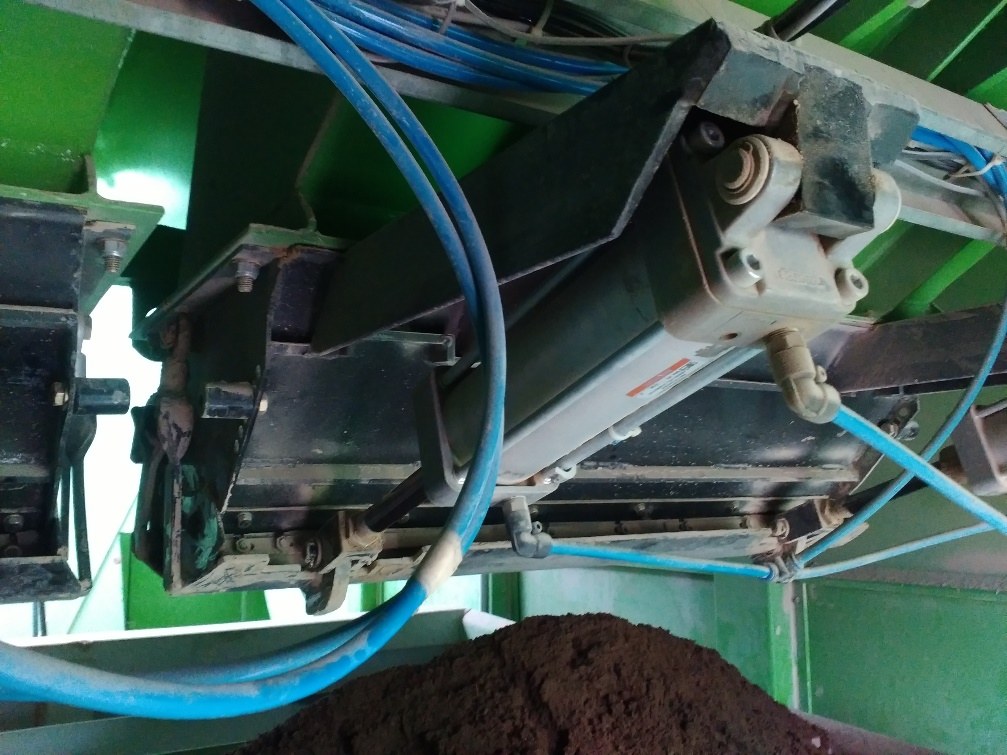
- Relieve the circuit pressure before opening any air line.
Welding on the structure
- Switch off the control panel power.
- Isolate each load cell from its weigher by tightening the transport lock.
Welding current passing through a load cell will destroy it, which is why both steps come before the arc is struck.
Moving the plant
- Engage the transport locks.
- Check the condition of the ropes.
- Check the tightness of the mounting hardware.
For the electrical supply and its protection, see powering a batching plant. For the pump on the same site, see concrete pump safety.
Want your plant crew trained?
Tell us which plant you run and how many operators you have, and we will tell you what training we can arrange.