A batching plant sold as 112 m³ an hour does not always deliver 112. The rated figure is real, but it is measured under standard conditions with nothing slowing the cycle. On site, a loader that arrives late or a gate jammed by an oversize stone quietly takes concrete off every hour. Here is how the rated figure is worked out, how to measure your own, and where the missing output usually goes.
What the rated output means
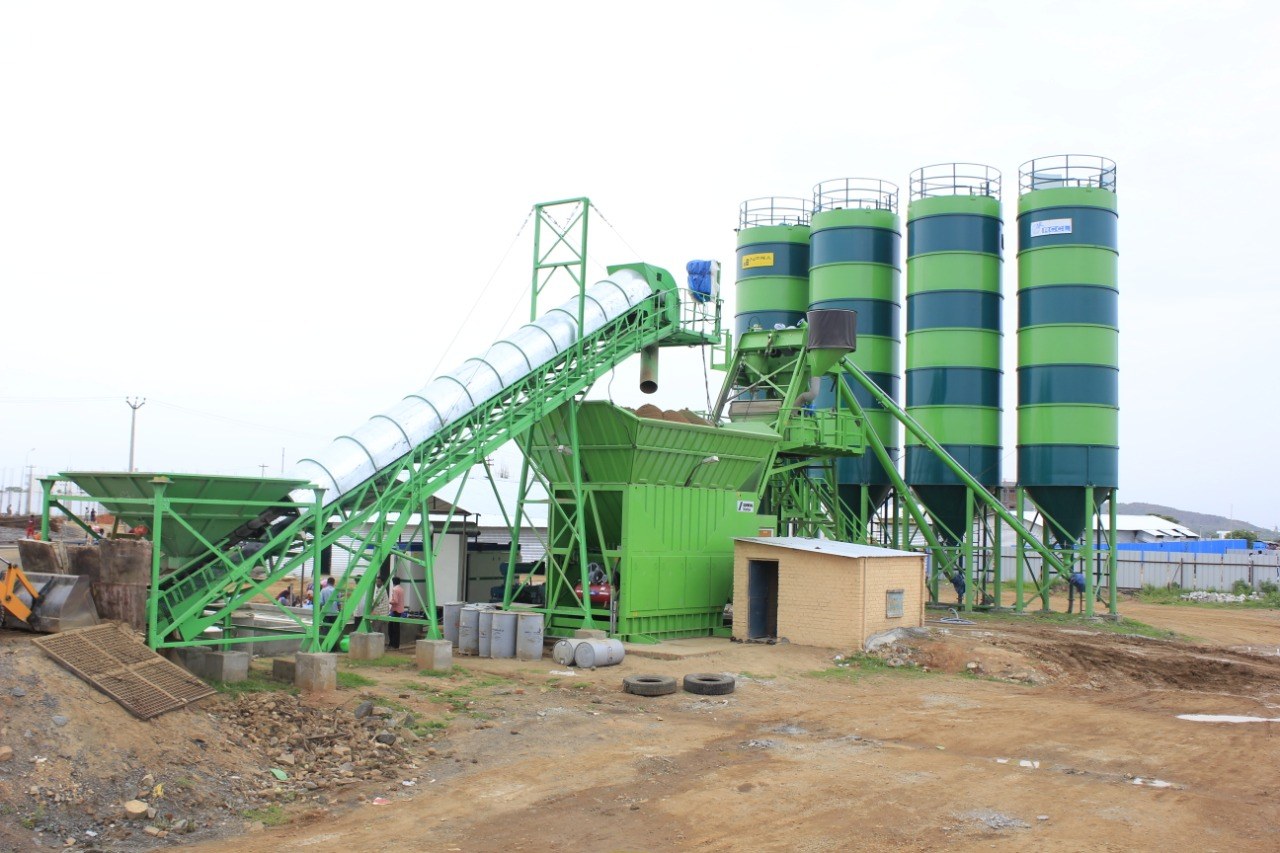
Every plant has a cycle diagram: the planned time for weighing aggregate, cement and water, lifting the batch, mixing and discharging. The rated output is that cycle repeated for an hour under standard conditions, with a standard mix of 300 kg of cement per m³ and no faults or alarms. For the Stetter M 2.5 the diagram gives 5.9 minutes to produce 10 m³, which is 112 m³ an hour.
How to measure your real output
You do not need a stopwatch. The batch sheet already has the answer.
- Pick a run of consecutive batches, for example one 10 m³ truck load.
- Note the start time of the first batch and the end time of the last.
- Divide the volume by the time taken.
In one example the load started at 10:42:05 and finished at 10:48:35. That is 6 minutes 30 seconds for 10 m³, or 92.3 m³ an hour, on a plant rated at 112.
Where the output goes
Feeding the plant
- Aggregate arrives in bursts, because the loader or tipper cannot keep the feeding conveyor or ramp supplied
- The loader is too small for the plant
- The stockpile is too far from the receiving hopper
- Trucks are slow to get into position under the mixer
The materials and the mix
- Oversize stones in the sand or gravel jam the discharge gates and stop the cycle while they are cleared
- Richer, high-grade mixes need more cement per batch, so cement weighing takes longer and the plant reports that the cement batching time is exceeded
- Slow water supply does the same for water batching
- Aggregate quantity, water-cement ratio and concrete weight all change the cycle
The condition of the mixer
- Mixing shovels and blades out of adjustment
- Build-up on the discharge hopper and the mixer discharge gate
- Hardened concrete inside the mixer that has not been chipped out
The people at the panel
- Operators who accept tolerances, faults and alarms without understanding what they mean
- Output worked out the wrong way, so nobody sees the gap
Two figures worth knowing on any spec sheet
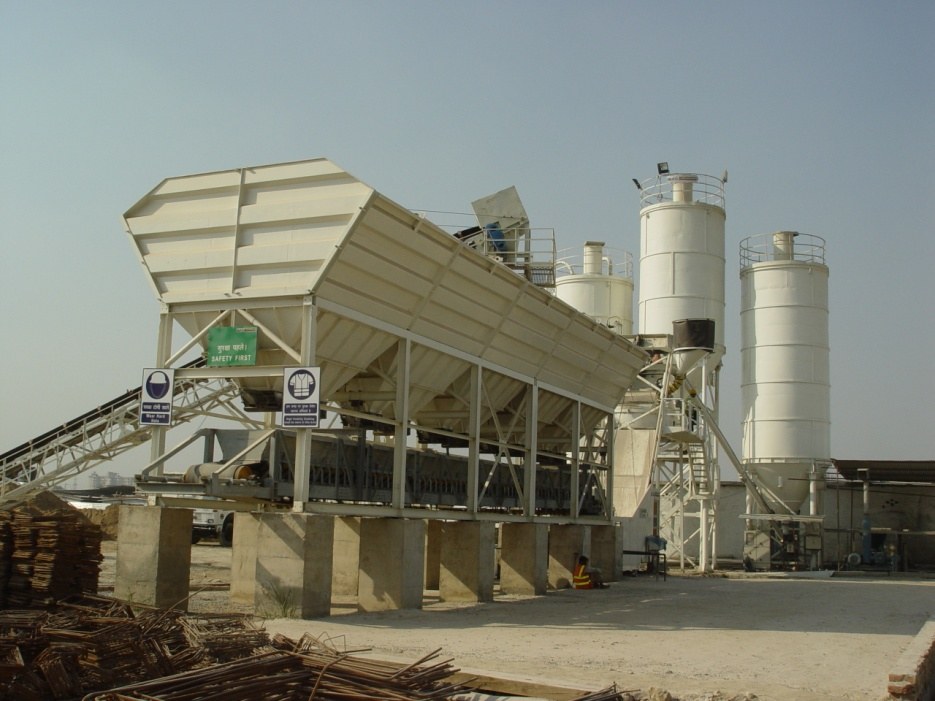
- Mixer size is quoted twice. A mixer listed as 525 / 350 liters takes 525 liters of dry material and gives 350 liters of compacted concrete. The filling volume is always 1.5 times the batch you get out.
- Weighing capacity sets the richest mix. The cement scale limits how much cement can go into one batch, and so how strong a mix the plant can produce at full batch size.
Related
Is your plant below its rated output?
Send us a batch sheet and the plant model, and we will tell you where to look first.