A delivery line is under more load than it looks. Every meter of it holds about 30 kg of concrete, and the pump pushes on that with tens of tonnes of force, stroke after stroke. A line that is laid and anchored well gives you a quiet, uninterrupted pour. One that is not gives you leaking couplings, blockages at the bends and pipes that walk across the slab.
Start at the pump
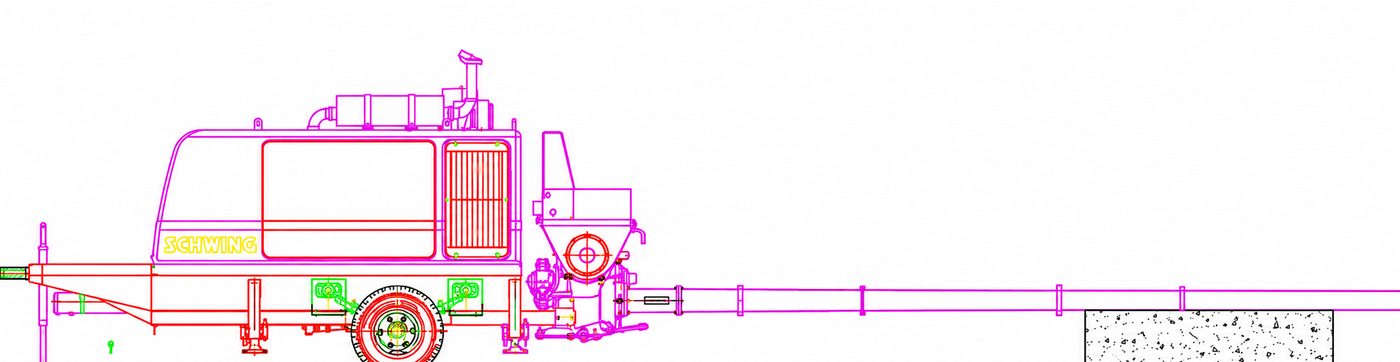
Concrete pressure is highest in the first few meters, so this is where supports matter most. As an example, an SP 3000 D can put up to 230 kN, roughly 23 tonnes, onto the pipe.
- Put the first pipe after the taper on a concrete block. The block takes the push so the pump does not have to.
- Line the pump outlet up with the blocks. The valve housing at the back of the pump should carry no vertical load from the pipe.
- Fit a shut-off valve near the pump on tall jobs. It lets you hold the concrete in the riser while you work on the pump.
- Support the line rigidly at the reducer. Where the line steps down from 150 to 125 mm the force on the pipe is at its greatest.
The base line: from the pump to the riser
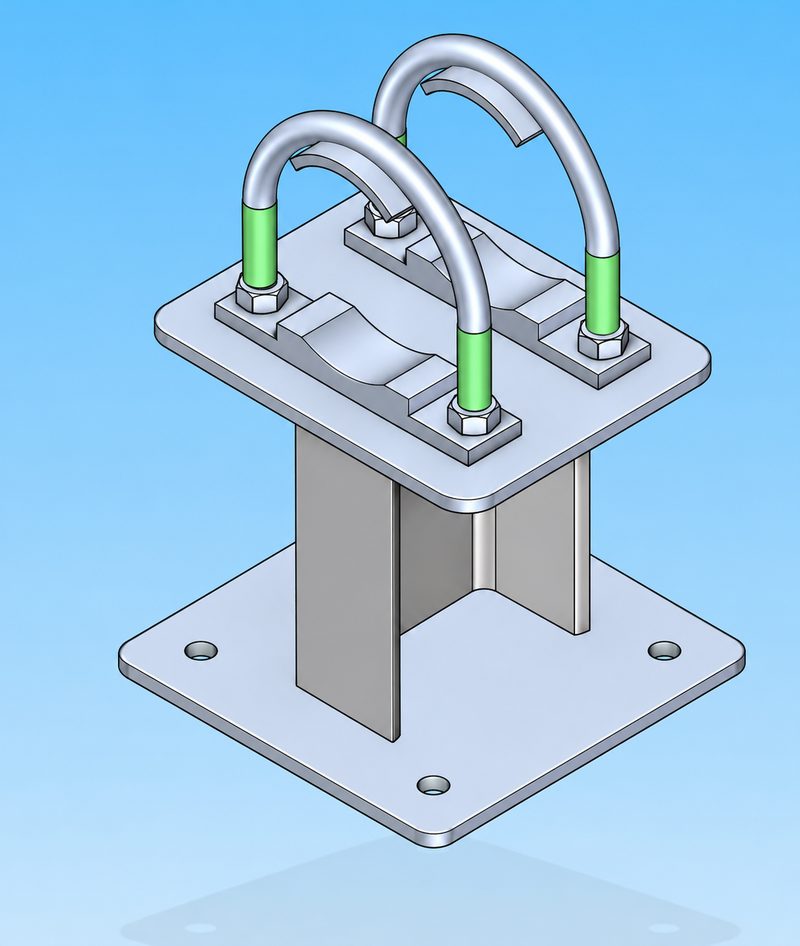
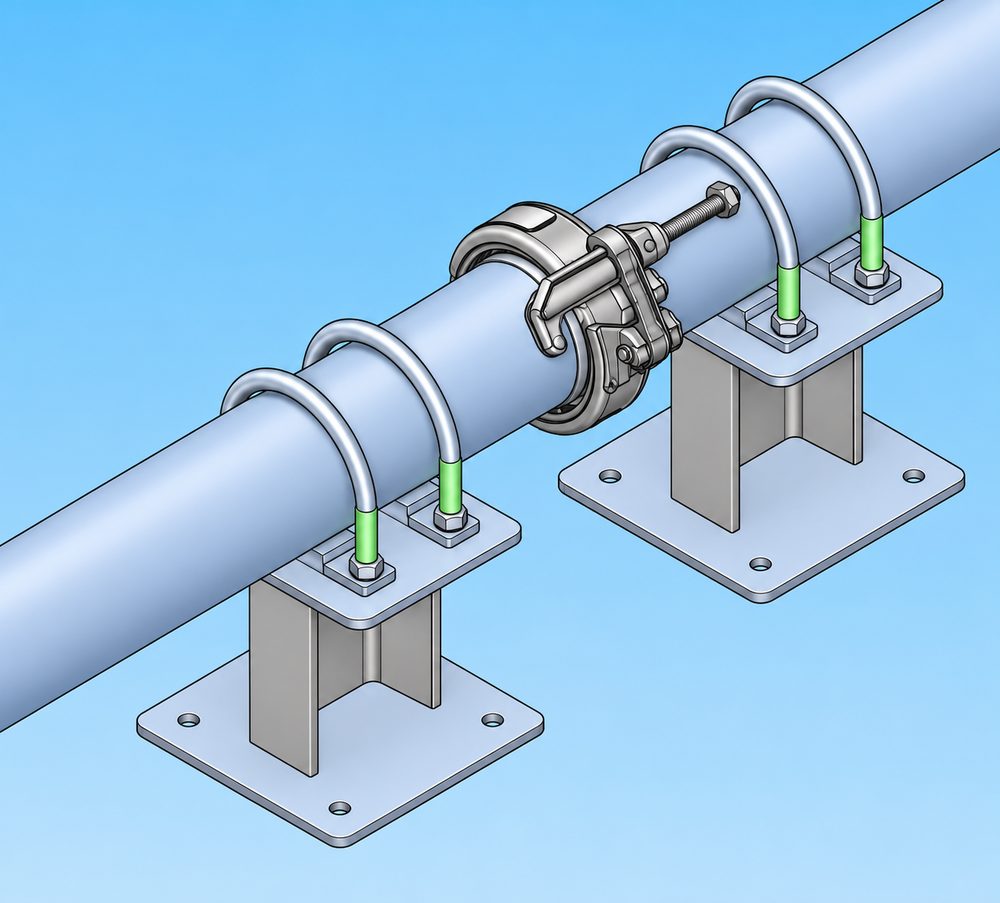
The horizontal run between the pump and the vertical line takes the full pressure for the whole pour. Support it before and after every coupling, so no joint is left carrying the weight or the movement.
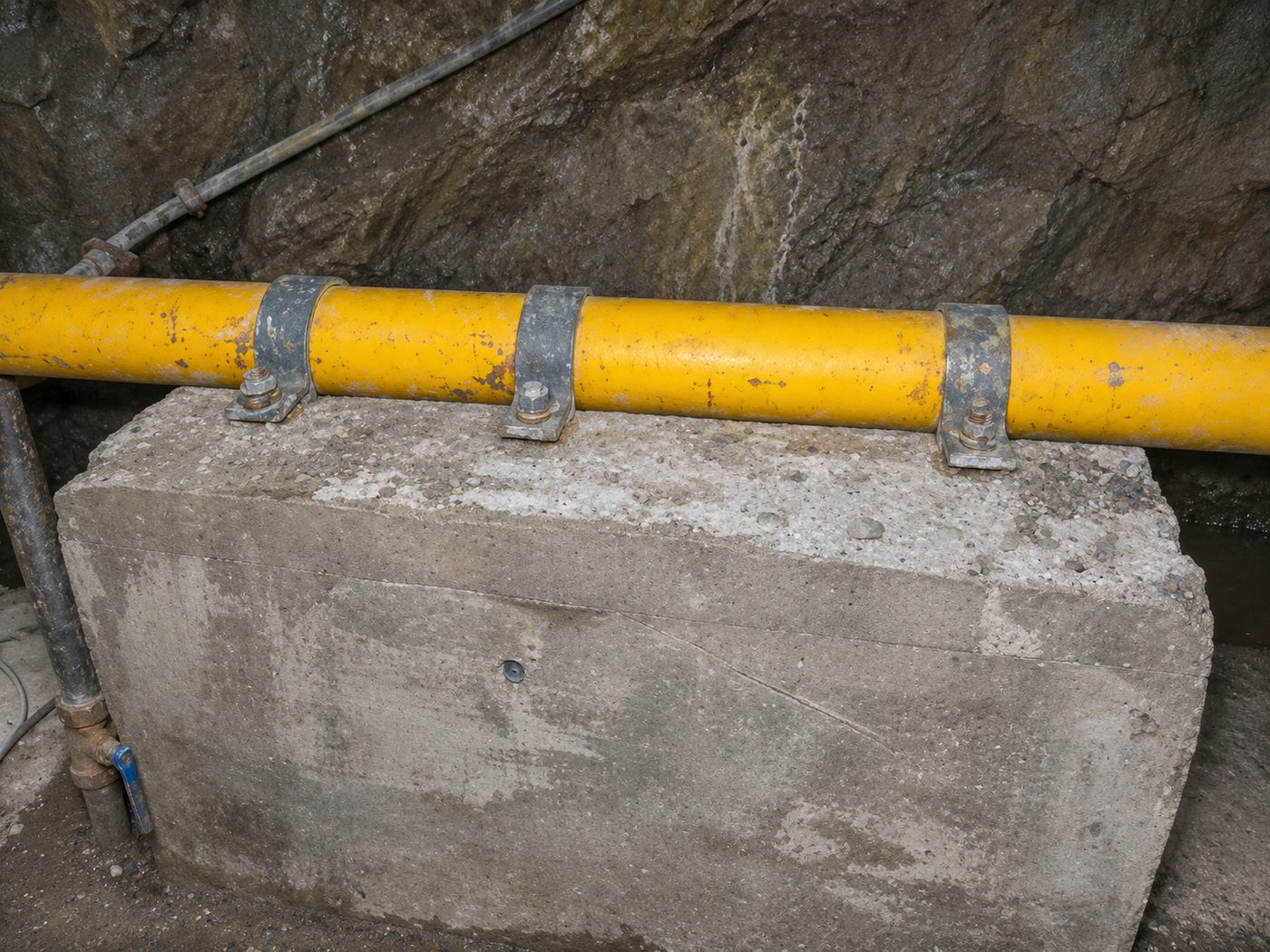
Bends
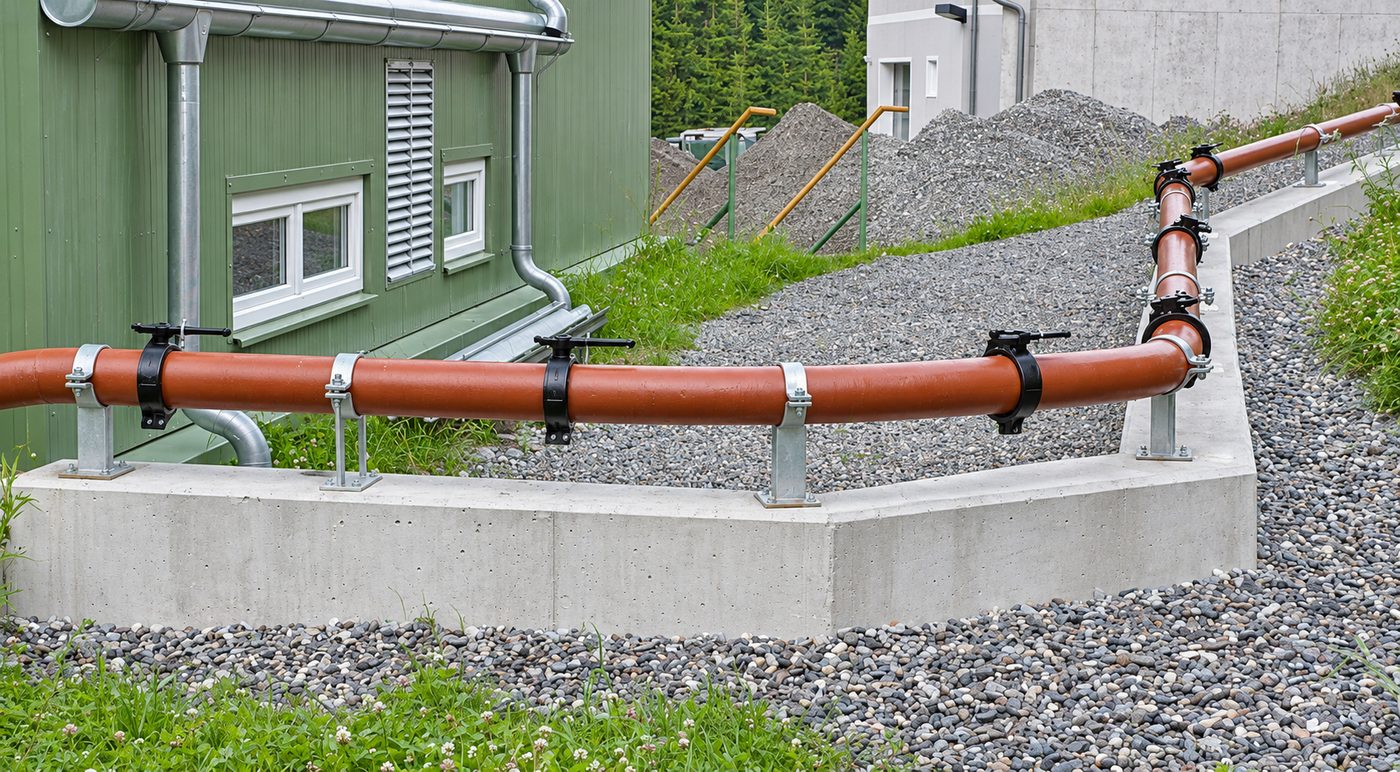
- Fix every bend on its own. A bend is where the concrete changes direction, so it is where the line tries hardest to move.
- Use a large-radius elbow from horizontal to vertical. This is the most likely place for a blockage, and a gentle bend keeps the risk as low as it can be.
- Use small-radius elbows only between two horizontal runs or two vertical runs.
The riser
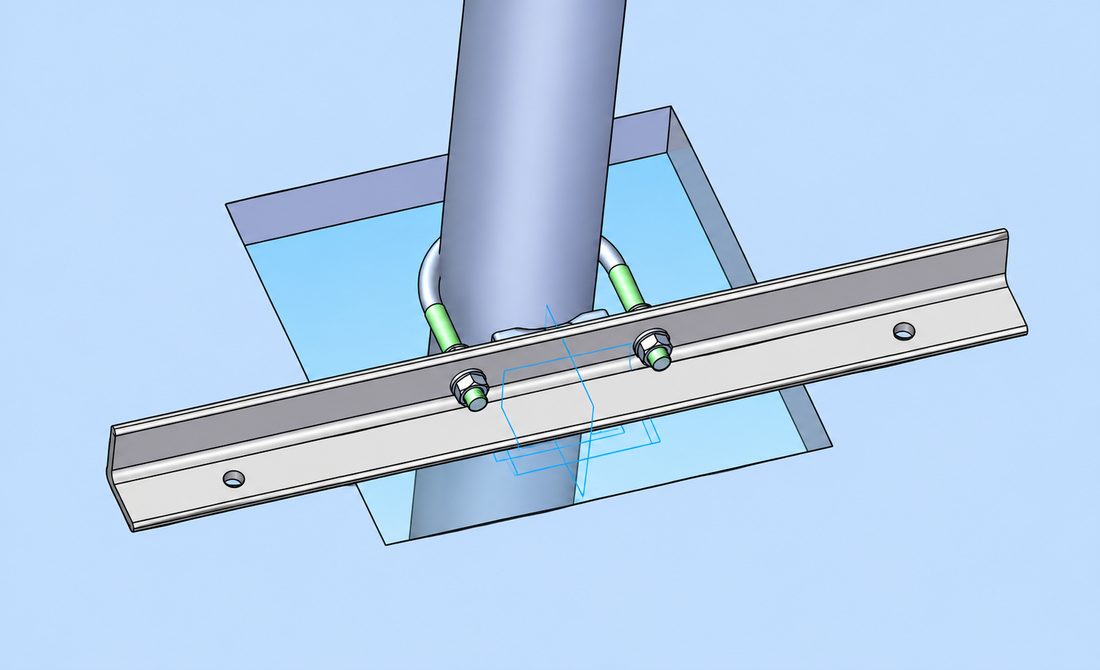
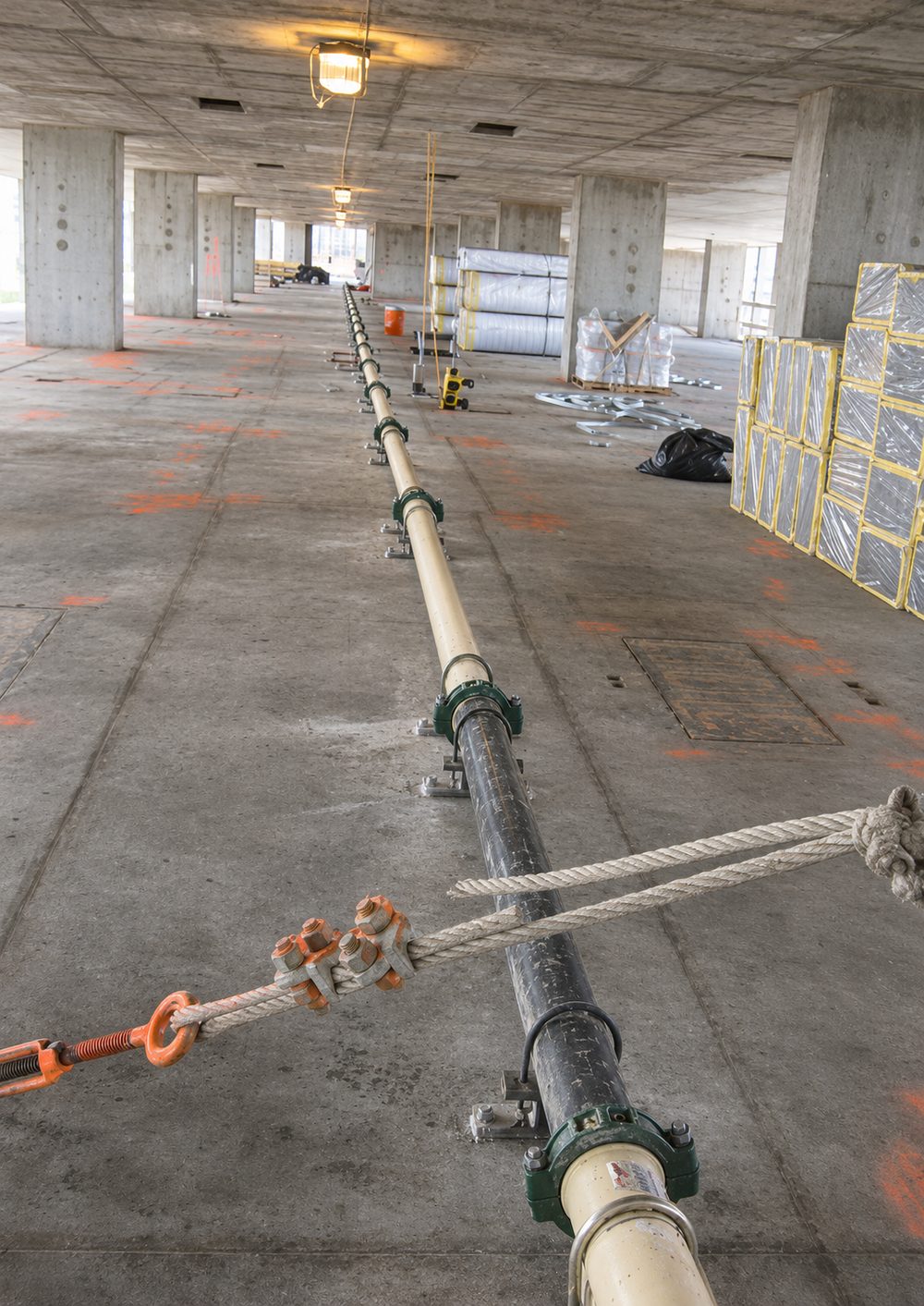
Support the vertical line at every floor. This carries the weight of the pipe and the concrete in it, and it stops the line from moving with each stroke.
Lay it without stress
Pipes should meet squarely and sit naturally in their supports. A pipe that has been forced into line puts a side load on the coupling. That opens the seal, paste leaks out, and a leaking joint is where blockages begin.
Feeding more than one area
On a large floor you do not have to break down the whole line to move to the next pour.
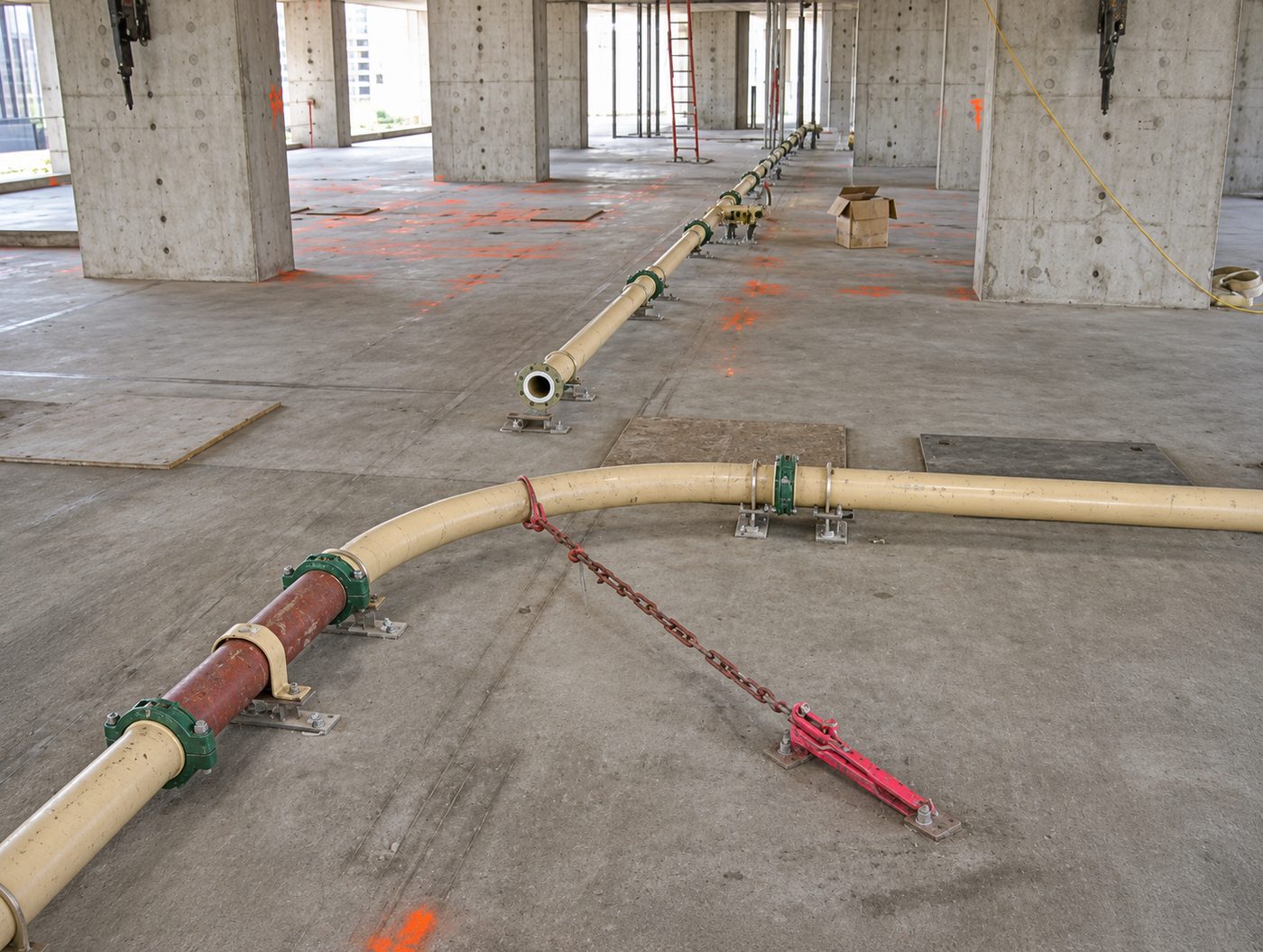
- A flip-over bend. A 90 degree bend at the end of the line feeds one area. When that area is finished, the bend is unclamped, turned over and connected to the next line, and pumping starts again.
- A two-way switch bend. One incoming line can feed either a line on the same level or a line going up to the next floor, by swinging a single bend.
Long horizontal runs
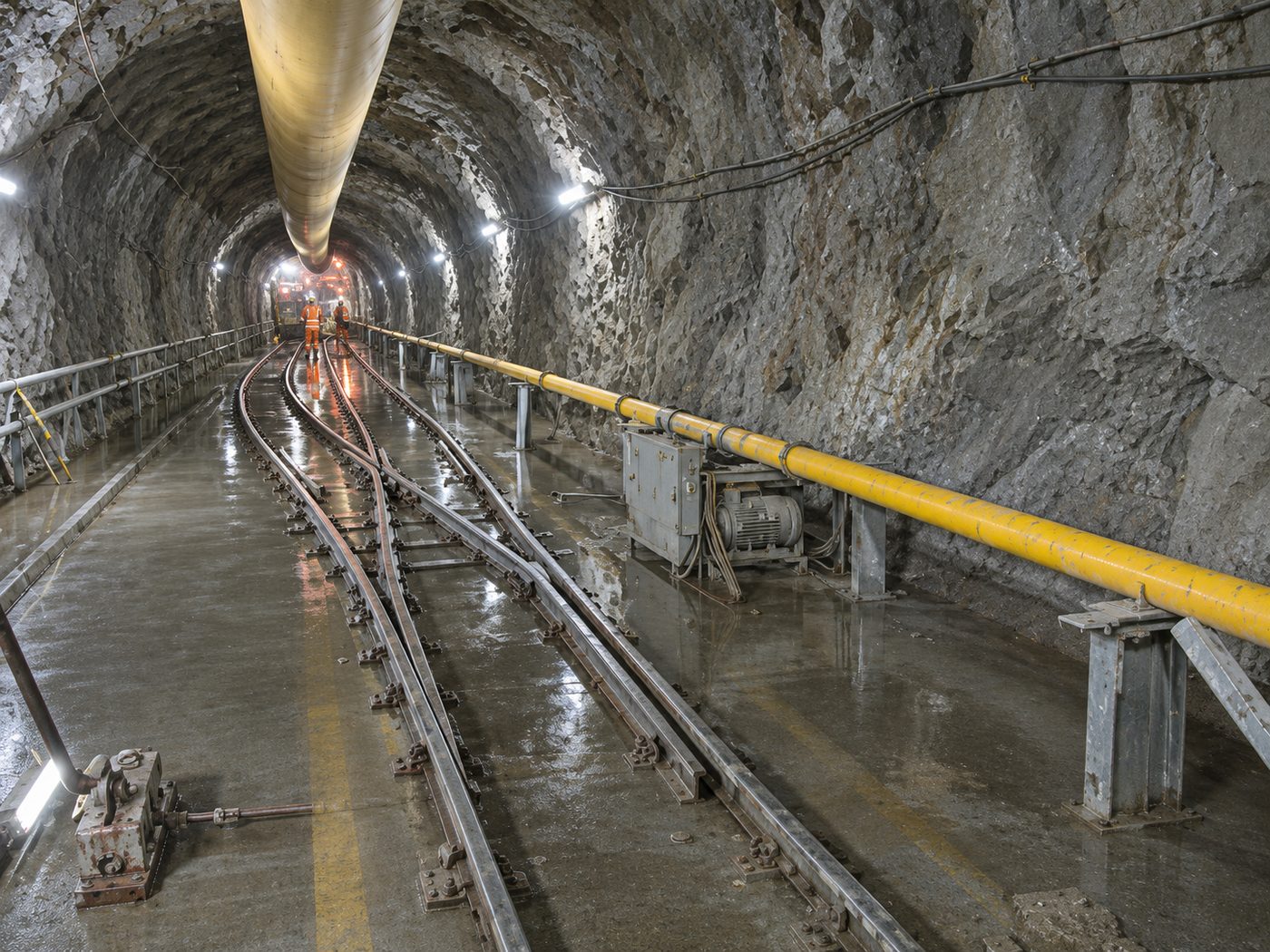
In tunnels and on sites the pump cannot get close to, the line may run for hundreds of meters. The same rules apply over the whole length: regular supports, firm anchoring at each change of direction, and joints that carry no load.
- What makes concrete pumpable, and why pipelines block
- How to clean and inspect a concrete pipeline
- How to size a stationary pump for your building height
Planning a pipeline?
Send us the height, the run and a sketch of the layout.