Every batching plant has to lift weighed sand and gravel up to the mixer. A skip does it one bucket at a time. A conveyor does it on a moving belt. The choice decides how much ground the plant needs, how it is moved, and what your crew looks after.
Two ways to lift a batch
With a skip, the weighed aggregates drop into a steel bucket. A winch pulls the bucket up a steep track, the bucket tips its load into the mixer, and it runs back down for the next batch.
With a conveyor, the weighed aggregates ride up an inclined belt and fall into the mixer at the top.
Space on site
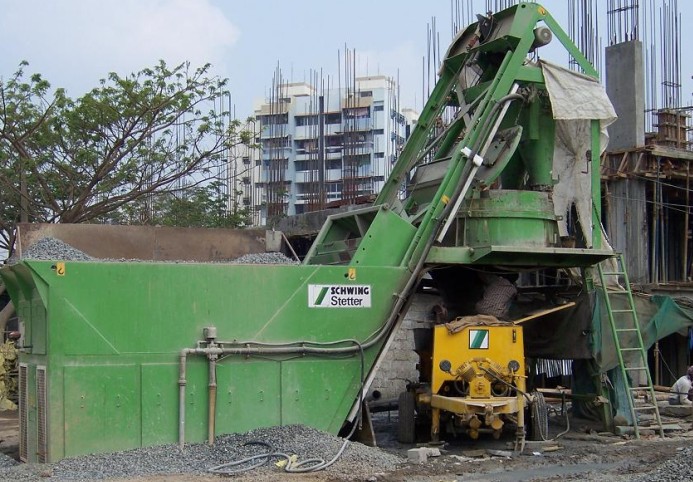
A skip goes up steeply, so the bins can sit close to the mixer and the whole plant stays short. That is why Stetter compact plants have a small footprint, and why a CP 18 travels on a single truck. The M series mobile plants are set on leveled, compacted ground with minimal foundation work, after a site survey.
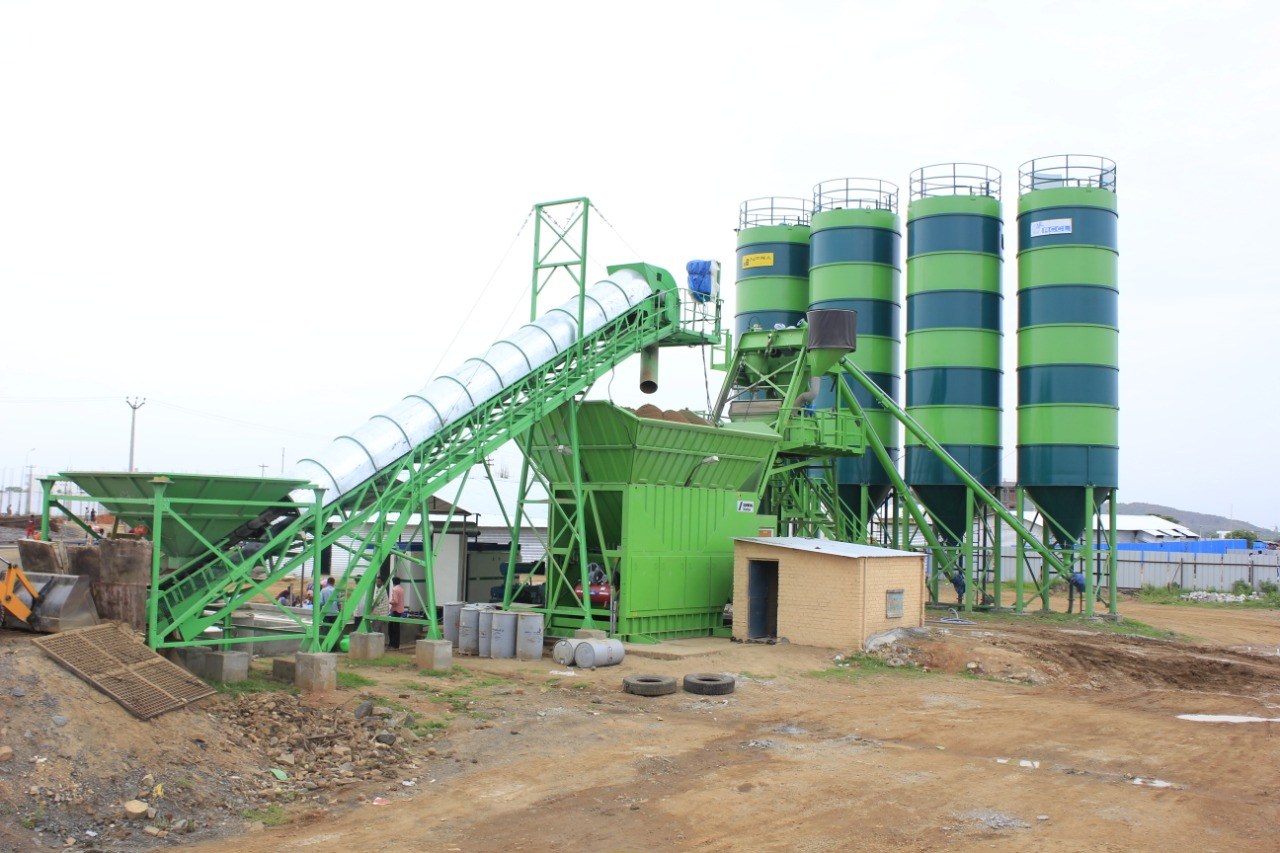
A belt cannot climb as steeply as a skip, so it needs a longer run to reach the same height. A conveyor plant therefore asks for a longer, more permanent yard.
Output
A skip makes one trip for every batch. On compact and mobile plants that is part of a batch cycle the plant is designed around. The largest Stetter plants, up to 240 m³ an hour, are horizontal plants offered with conveyor feeding.
Whichever you choose, the plant only reaches its rating if it is kept fed. See why a batching plant falls short of rated output.
What your crew looks after
On a skip plant:
- The skip rope, which is checked for fraying.
- The limit switch at the top of the skip travel, and the emergency stop beside the skip channel.
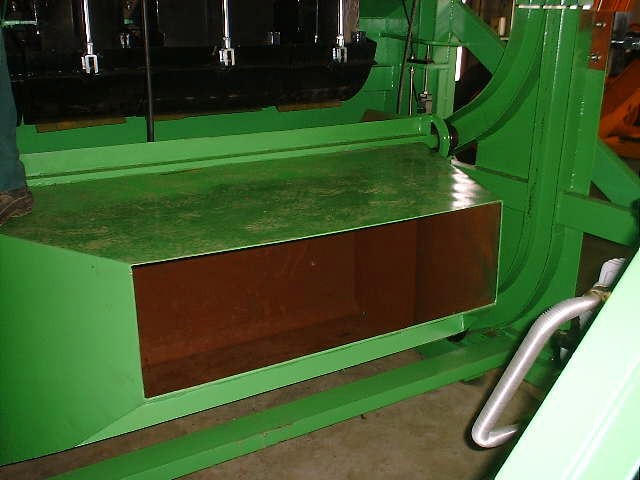
- The skip bucket itself, which is cleaned regularly, above all in the rainy season, when wet fine aggregate sticks to it.
On a conveyor plant, the work moves to the belt: its condition, its rollers and how straight it runs.
The checks themselves are in batching plant maintenance by the hour meter and batching plant safety devices and rules.
Which one suits your work
| If your work is | Skip | Conveyor |
|---|---|---|
| A tight site | Suits it. The plant is short. | Needs a longer yard. |
| A project plant that will move | Suits it. Compact and mobile plants are built to be moved. | Better where the plant stays. |
| Up to about 120 m³ an hour | The Stetter compact and mobile range. | Horizontal plants start at about 48 m³ an hour. |
| A large ready-mix yard or a major project | The larger mobile plants. | The horizontal range, up to 240 m³ an hour. |
Most of the plants we supply in the Philippines are compact plants, and they use a skip. Sites here are often tight, and many plants are bought for a project and moved to the next one.
If you are sizing a first plant, start with when to batch your own concrete.
Not sure which plant fits your site?
Tell us the space you have, the output you need and whether the plant will move.